
Introduction
Crypto wallets have always had a branding problem. They promise sovereignty and control, then immediately hand you a seed phrase and say, “Don’t lose this or your money is gone forever.” For years, that tradeoff scared away normal users, not because they were careless, but because the system was unforgiving by design. Smart wallets are supposed to fix that. The big question in 2026 is whether they actually do. The short answer: they are finally getting there, but not without new tradeoffs you need to understand clearly.
What Makes a Wallet “Smart”?
A smart wallet is not just a place to store assets. It is a programmable account built with smart contracts instead of a single private key.
This allows features that traditional wallets simply cannot support, such as:
•Social recovery instead of a single seed phrase
•Spending limits and transaction rules
•Account recovery without total loss
•Gas fee abstraction and batched transactions
In theory, this makes crypto safer and easier. In practice, the details matter a lot.
Why Traditional Wallets Still Fail Most Users
Seed phrases are secure, but they are fragile, if you lose it, your funds are gone. If you expose it, your funds are gone.
Most real losses in crypto are not from hack, they are from human error (like forgotten phrases, poor backups and accidental exposure) and smart wallets exist to solve this exact problem.
Seed Phrase vs. Social Recovery: A Security Showdown
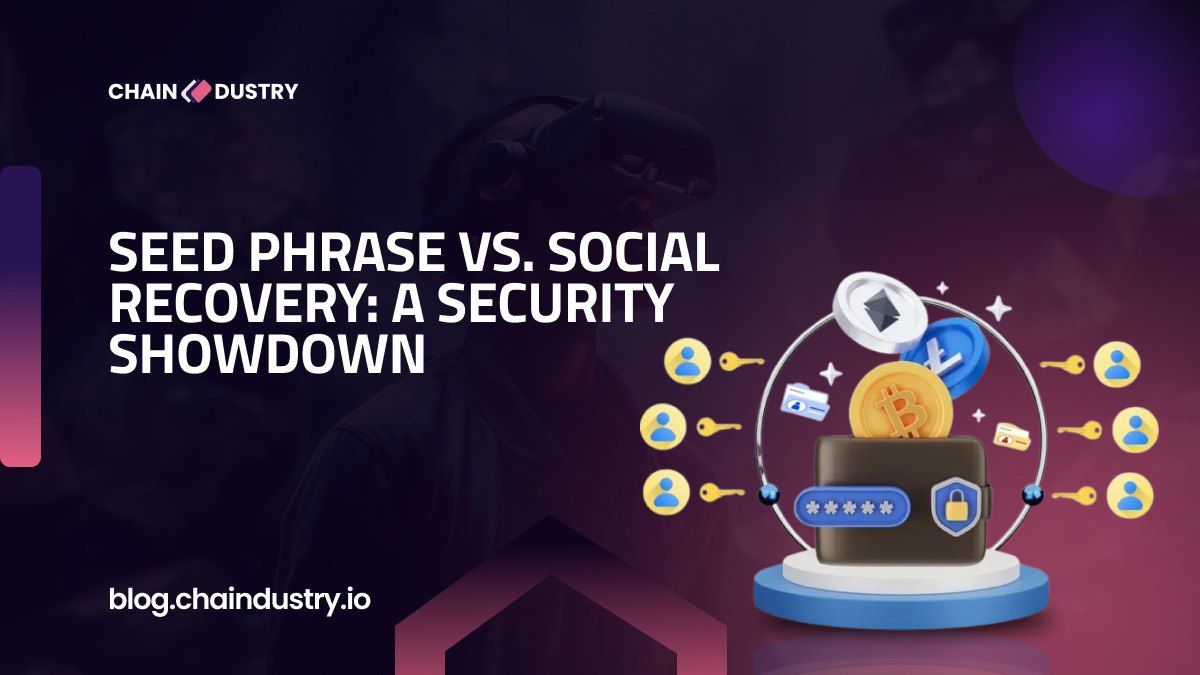
This is the core shift happening right now.
The Seed Phrase Model
Pros:
•Simple
•Fully self-custodial
•No dependencies on other people or services
Cons:
•Single point of failure
•Zero forgiveness for mistakes
•High cognitive burden for new users
Seed phrases work best for disciplined, technical users who treat security like a routine, not a one-time setup.
The Social Recovery Model
Instead of one secret, recovery is split across trusted parties or devices called guardians.
Pros:
•No single point of failure
•Easier recovery if a device is lost
It's more aligned with how people already manage risk
Cons:
•Requires trust and coordination
•Poor guardian setup can introduce new risks
•Still unfamiliar to many users
Social recovery does not remove responsibility. It redistributes it. When done properly, this reduces catastrophic loss. When done casually, it creates false confidence.
Are Smart Wallets Actually Easier to Use?
In 2026, usability has improved dramatically. Smart wallets now offer:
•Cleaner onboarding flows
•Fewer manual approvals
•Lower mental overhead for daily use
But “easier” does not mean “effortless.” Initial setup is more involved than a basic wallet. You must think through guardians, permissions, and recovery paths. That upfront friction is intentional. It replaces long-term stress with short-term planning. If you skip this step or rush it, you lose most of the benefits.
The Hidden Risks People Ignore
Smart wallets introduce a different risk profile, not a risk-free one. Key concerns include:
•Smart contract bugs
•Dependency on wallet providers
•Complexity that users do not fully understand
Unlike a seed phrase, smart wallets rely on code. Audits reduce risk, but they do not eliminate it. Choosing well-known, battle-tested implementations matters more than chasing features. Security in crypto is not about perfection. It is about minimizing the most likely failure points.
Who Should Use Smart Wallets Right Now?
Smart wallets are a strong fit if: •You are onboarding non-technical users
•You manage multiple devices or accounts
•You value recovery options over maximal simplicity
•You actively interact with DeFi or Web3 apps
Traditional wallets still make sense if:
•You prioritize minimal attack surface
•You are comfortable with strict self-custody
•You rarely transact or interact on-chain
This is not a replacement cycle. It is an expansion of options.
The Real Answer Nobody Likes
Smart wallets are not magic. They do not remove responsibility. They shift it. They reduce the risk of irreversible human error while increasing the importance of thoughtful setup and informed choices.
In 2026, they are finally usable for real people, not just crypto natives. But safety still depends on understanding what you are using and why. The future of wallets is not about choosing between convenience and security. It is about designing systems that respect how people actually behave. Smart wallets are closer than ever to doing that, but only if users meet them halfway.
Conclusion
Smart wallets in 2026 are a meaningful step forward for crypto users. They make recovery easier, reduce catastrophic mistakes, and add useful features that traditional wallets simply cannot. But they are not a “set and forget” solution. Success depends on thoughtful setup, careful choice of guardians, and understanding the trade-offs. For anyone willing to invest a little time upfront, smart wallets offer peace of mind without sacrificing control. For those who skip the setup or ignore risks, they can be just as unforgiving as old-school seed phrases. In short, smart wallets are finally easier and safer but only if you approach them wisely.