
Introduction
If keeping up with crypto feels like a full-time job you never applied for, you’re not imagining it. The space runs 24/7, rewards constant attention, and punishes emotional decision-making. That combination is a burnout factory.
Crypto burnout doesn’t mean you hate crypto. It means you’ve been overexposed to noise, urgency, and opinions that don’t actually help you make better decisions.
The good news is this: you don’t need to know everything, follow everyone, or react to every headline to stay informed and profitable. You just need a healthier system. Let’s break this down honestly.
What Crypto Burnout Actually Looks Like
Burnout rarely shows up as dramatic exhaustion. It’s quieter and more dangerous. You might recognize it as:
1.Constantly checking prices without a clear reason
2.Feeling anxious when you’re offline
3.Jumping between narratives every week
4.Feeling behind even when nothing meaningful has changed
5.Losing confidence in decisions you already made
At this point, information stops being useful and starts becoming emotional baggage. When that happens, your worst enemy is not the market, It’s overstimulation.
Why the Crypto News Cycle Is Designed to Exhaust You
Crypto media thrives on urgency. Everything is framed as:
“You’re early”
“You’re late”
“This changes everything”
Most of it doesn’t.
Social platforms amplify extremes because calm, nuanced takes don’t spread fast. Algorithms reward outrage, fear, and hype. If you consume crypto news without filters, you are essentially letting strangers control your emotional state.
That’s not staying informed, it’s outsourcing your peace of mind.
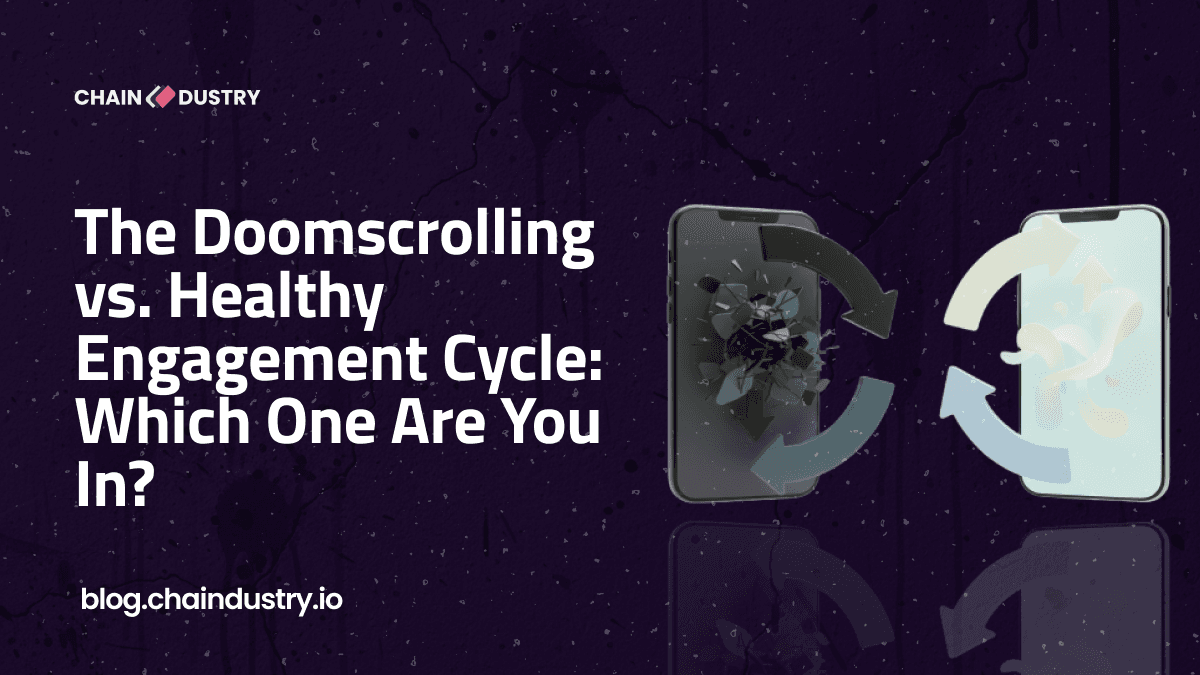
Doomscrolling vs. Healthy Engagement Cycle: Which One Are You In?
This is the fork in the road most people never notice.
The Doomscrolling Cycle
1.Open X or Telegram first thing in the morning
2.Scroll endlessly without a clear goal
3.React emotionally to price moves
4.Chase explanations after the fact
Close the app feeling more anxious than before This cycle feels productive but delivers zero clarity.
The Healthy Engagement Cycle
1.Decide in advance when and why you consume news
2.Follow a limited number of trusted sources
3.Separate signal from speculation
4.Take notes, not just reactions
5.Step away once you’ve learned what matters
One cycle drains you. The other supports long-term thinking. The difference is intentionality.
How to Build a Low-Stress Crypto News System
You don’t need to quit crypto Twitter or delete every app. You need boundaries that actually stick.
1. Reduce Your Inputs Before You Increase Your Knowledge
Unfollow aggressively. If an account mostly posts panic, hype, or vague predictions, it’s not educational. It’s entertainment with side effects. Aim for: 1.Fewer sources
2.Higher credibility
3.Longer-form thinking
If someone can’t explain why something matters beyond price, they’re optional.
2. Set News Windows, Not Constant Access
Check crypto news once or twice a day at fixed times. Outside those windows, prices and headlines are background noise. The market will still be there when you return. Your mental health should be too.
3. Separate Market Updates From Learning
Learning is slow and cumulative. Market updates are fast and emotional. Treat them differently. Use newsletters, blogs, or podcasts for learning
Use price apps for quick check-ins, not emotional spirals If you mix the two, you end up reacting instead of understanding.
4. Ask One Simple Question Before Caring
Before engaging with any news, ask: “Does this change my plan?” If the answer is no, scroll past without guilt. Most headlines don’t affect your long-term strategy. They just want your attention.
You Don’t Need to Be Plugged In to Be Smart
Some of the best-performing crypto participants are not the most online. They’re the ones who:
1.Stick to a clear thesis
2.Review, not react
3.Adjust slowly, not impulsively
Being constantly connecd does not equal being informed. Often, it means being distracted.
Conclusion
Burnout is a signal, not a failure. It’s your mind asking for structure. Build systems that protect your focus, and crypto becomes interesting again instead of exhausting. That’s how you stay in the game long enough for it to matter.