
Introduction
The music industry has always had one major problem. Artists create the culture while platforms and middlemen take most of the money. Web3 is the first real shift that gives musicians a direct path to ownership, revenue and fan loyalty without begging the system for a seat at the table. What started as a niche experiment is turning into a serious movement that is forcing streaming platforms to rethink their entire model.
If the past decade was about chasing streams, the next one will be about owning your audience. Web3 is reshaping how music is created, funded and distributed, and artists who move early are already seeing the benefits.
Where Traditional Streaming Falls Short
The current music economy is broken and artists know it:
1. Low payouts per stream
Most artists can get millions of streams and still struggle to pay basic bills.
2. Platforms own the relationship, not the artist
Fans follow the platform. Not the musician. This kills long-term growth.
3. Zero transparency
Artists wait months for royalty statements that barely explain how the numbers came to be.
4. Labels still control everything
Even independent artists end up signing deals just to survive.
The frustration is real. Web3 gives artists a way out.
How Independent Musicians Are Using NFTs to Go Direct-to-Fan
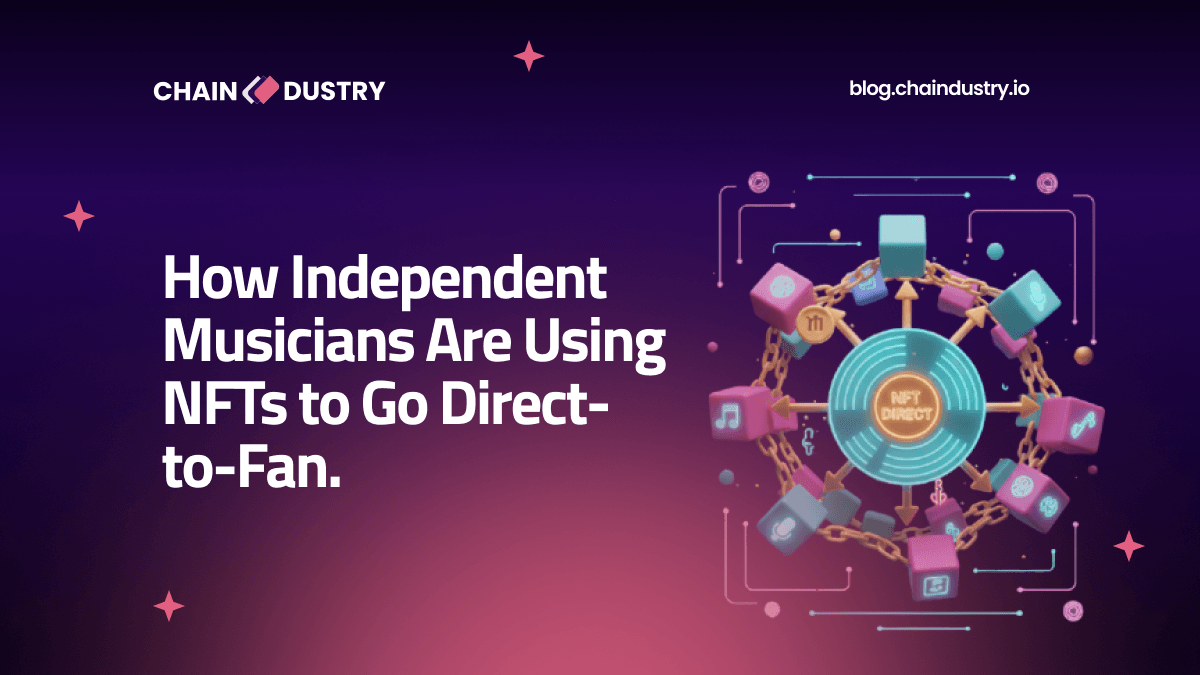
Here is where things get exciting. Artists are discovering that NFTs are not just collectibles. They are access passes, revenue tools and community builders all in one. The smartest musicians use NFTs to create direct relationships that no label or streaming platform can interfere with.
Here is how they do it:
1. Fan-funded projects
Fans buy NFTs that help fund studio sessions, mixing and promotion. In exchange, they get perks, early access or even a small share of future revenue.
2. Exclusive drops
Artists release limited editions of songs, live versions or behind-the-scenes content. Ownership becomes part of the fan identity.
3. Token-gated communities
Fans holding NFTs gain access to private groups, unreleased music, merch discounts or intimate livestream sessions.
4. On-chain royalties
Some musicians issue NFTs that automatically send royalty splits to supporters. This builds real loyalty because fans literally earn with the artist.
5. Direct sales instead of third parties
No label. No distributor. No platform taking 30 percent. The artist controls price, supply, and delivery.
This is not fantasy. It is already happening, and the artists using these tools are building some of the most loyal fanbases in music today.
Why Web3 Is a Serious Upgrade for the Industry
Beyond NFTs, Web3 unlocks practical improvements the industry has needed for years:
1. Real ownership
Artists keep their masters and their audience instead of handing everything to a label.
2. Transparent royalty tracking
Every play, purchase and split can be recorded publicly. No more mystery accounting.
3. Global distribution with no friction
Releasing music on-chain means instant availability everywhere.
4. Fair fan economy
Fans become part of the journey instead of passive listeners. This changes how music communities form.
Instead of fighting over tiny royalty checks, artists can build direct, profitable ecosystems around their art.
Will Web3 Replace Streaming?
Streaming is not going anywhere, but the power balance is shifting. What will happen is simple.
Streaming platforms will be forced to integrate Web3 features because artists will demand transparency and fans will demand real value. The platforms that ignore this shift will lose creators to more flexible, artist-first models.
Web3 is not killing streaming. It is fixing it.
Conclusion
The future of music belongs to the artists who take ownership, build community and create value that goes beyond streams. Web3 is leveling the playing field in a way the industry has never seen before. Independent musicians finally have a path to real income, real connection and real control.
The artists who start now will be the ones leading the next global wave.