
Introduction
Web3 is done rewarding curiosity alone. In 2026, the space belongs to people who can actually build, analyze, write, secure, design, or operate real systems. The days of watching tutorials and calling it experience are over. This is the year skills become leverage.
If you want to stay relevant in Web3, you need a clear learning plan, not vibes, not hype, and definitely not random certifications.
Why Skills Matter More Than Tokens Now
Markets move in cycles where skills compound, token prices can crash and narratives can rotate. But the ability to write smart contracts, analyze on-chain data, manage communities, or design usable products carries value in every cycle.
Web3 is maturing. Mature industries reward operators, not spectators.
The Core Web3 Skill Categories in 2026
Not everyone needs to code. But everyone needs to contribute something real.
Technical Skills
These are still the highest leverage roles. Example: •Smart contract development
•Blockchain security and auditing
•Frontend development for decentralized apps
•Infrastructure and node operations
If you can build or secure products, demand will follow you.
Analytical and Research Skills
Data literacy is becoming non-negotiable. Example: •On-chain data analysis
•Token economics design
•Governance research
•Risk analysis for DeFi protocols
Projects need people who can interpret reality, not just repeat narratives.
Content, Community, and Growth
Web3 still runs on trust and communication. Examples:
•Technical writing and documentation
•Community management and moderation
•Product education and onboarding
•Brand storytelling rooted in facts
Clear communicators turn complex systems into usable products.
Operations and Compliance
As regulation increases, so does demand for structure.
Skills Examples; •DAO operations and coordination
•Treasury management
•Legal and compliance support
•Partnerships and business development
This is where Web3 starts to look like real work, because it is.
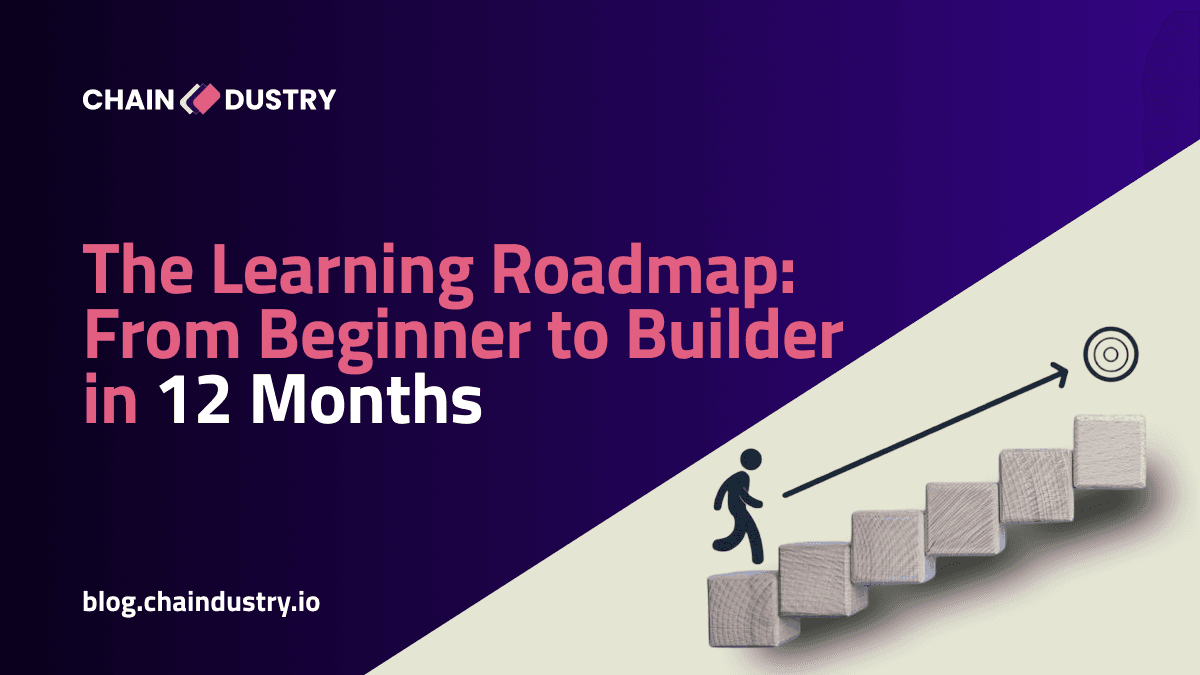
The Learning Roadmap: From Beginner to Builder in 12 Months
Months 1 to 3: Foundation
1.Focus on understanding, not earning.
2.Learn how blockchains actually work
3.Understand wallets, transactions, and gas
4.Follow one ecosystem deeply instead of many
5.Read docs, not just threads
Your goal is fluency, not speed.
Months 4 to 6: Skill Selection
1.Pick one lane and commit.
2.Choose a primary skill based on interest and aptitude
3.Start hands-on practice immediately
4.Build small projects or write deep analyses
5.Join one DAO and observe before contributing
This phase filters tourists from builders.
Months 7 to 9: Real Contributions
Now the work begins. 1.Contribute to open-source projects
2.Publish research or technical content
3.Take small paid or unpaid roles
4.Build a public track record
Visibility matters, but substance matters more.
Months 10 to 12: Specialization and Leverage
1.Refine what you are good at.
2.Deepen your niche knowledge
3.Improve speed and quality
4.Network intentionally
5.Position yourself for paid roles or grants
At this stage, opportunities start coming to you.
Common Mistakes That Kill Progress
•Trying to learn everything at once
•Chasing trends instead of fundamentals
•Waiting until you feel ready
•Measuring success only in tokens
Web3 rewards momentum, not perfection.
What Hiring Managers Actually Look For
It's not only about certificates or follower counts. They want:
•Proof of work
•Clear thinking
•Consistent contribution
•The ability to execute without hand-holding
If you can show that, credentials become optional.
Conclusion
Web3 in 2026 is not about being early. It is about being useful. The people who win are not the loudest. They are the ones who show up with skills, deliver results, and adapt as the space evolves. Learn deliberately, build publicly and Contribute consistently. That is how you turn interest into impact.