
Introduction
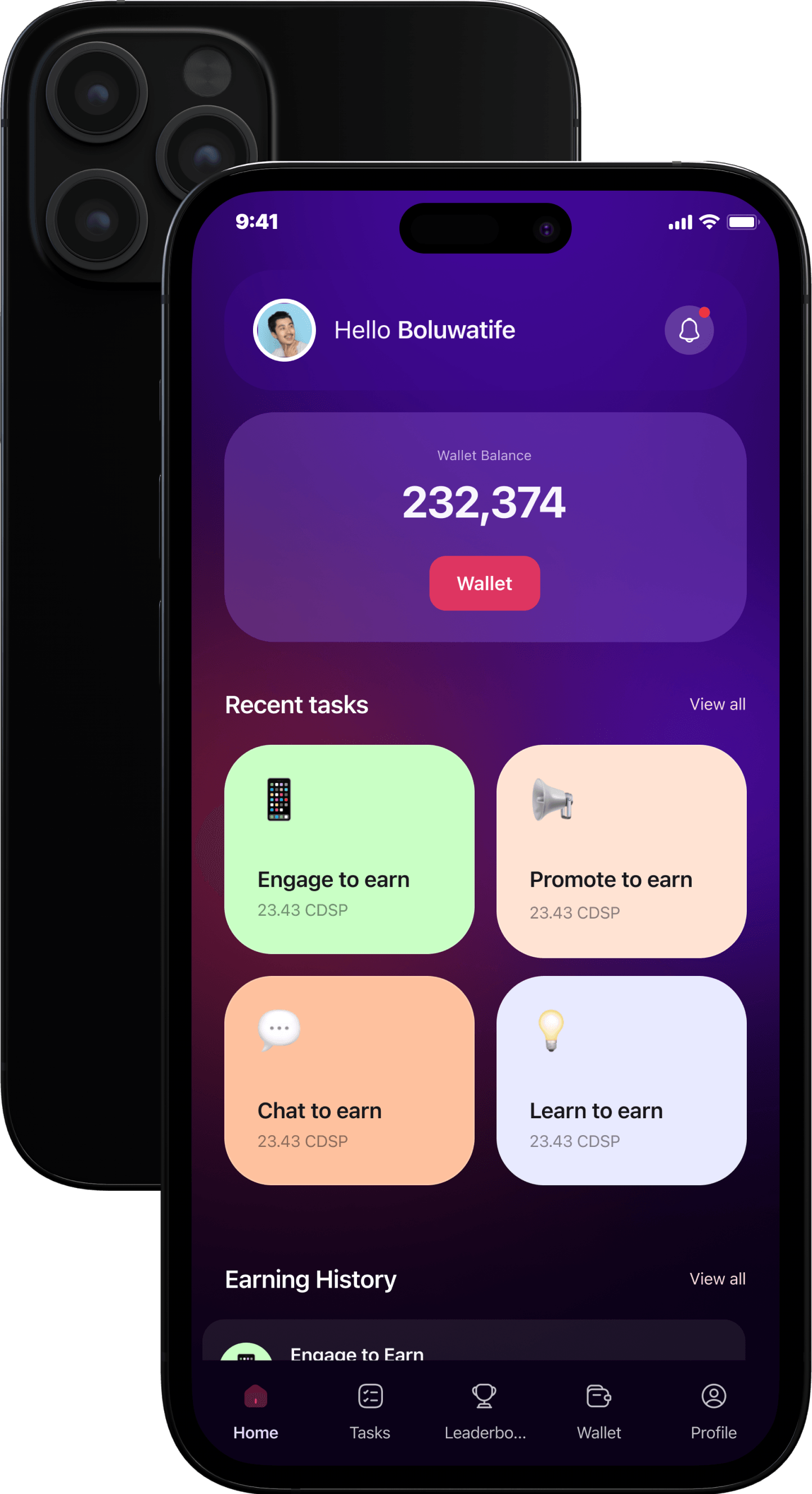
Every tap, swipe, and click you make online produces data, and guess what? Someone has been cashing out on it for years. Spoiler alert: it has not been you. The rise of the decentralized data economy is changing that dynamic. Finally, individuals can take charge and profit from the information they create daily.
This shift is not just a tech trend. It is a restructuring of power. People are reclaiming ownership, privacy, and profit. So let’s break down how you can position yourself to earn from your data and where your information carries real financial weight.
Where Does Your Information Have Real Monetary Value?
Your data becomes valuable the moment it reveals patterns that companies can use to make decisions. The thing is, you can now choose where, how, and when your information is monetized. Here are the core areas where your data has real monetary weight.
Consumer Behavior Insights
Brands want to understand how people shop, what they watch, and what drives their decisions. Instead of giving this away for free through traditional apps, decentralized platforms pay users for participating in surveys, browsing anonymously, or sharing preference data without compromising identity.
Health and Fitness Data
Your step count, sleep patterns, diet logs, and biometric readings are gold mines for research companies, med-tech startups, and wellness brands. Decentralized health data platforms allow users to license this information for research and get paid directly, while staying fully in control of who sees what.
Location and Mobility Data
Your travel routes, commute patterns, and neighborhood insights matter to city planners, transport apps, real estate platforms, and logistics companies. Decentralized location data networks reward users when permissioned location insights are shared.
Content and Social Engagement Data
Your likes, comments, browsing trails, and watch history help platforms shape algorithms. But decentralized social ecosystems let you earn by contributing, engaging, and selling anonymized insights without being exploited.
Financial Behavior Data
Spending habits, transaction histories, and budgeting patterns can support fintech innovation. Decentralized financial data platforms give you the ability to approve data access and receive compensation for it.
The bottom line is simple. Your data has always been valuable. The decentralized world is finally letting you hold the invoice.
How You Can Participate in the Data Economy
1. Join Decentralized Data Marketplaces
Platforms like Ocean Protocol, Swash, and Streamr allow users to upload, anonymize, and monetize their data. No middlemen. No silent collection.
2. Use Privacy-First Browsers
Browsers such as Brave reward users with tokens for engaging with ads on their own terms. You choose what you see, and you earn for it.
3. Opt Into Data Vault Apps
Personal data vaults store your information securely and let you selectively share it with researchers or brands for direct payments.
4. Earn from Health and Fitness Platforms
Apps built on decentralized health networks reward you for sharing exercise stats, medical readings, or wellness logs with verified partners.
5. Join Web3 Social Platforms
Decentralized social networks reward content creators and everyday users for the value they generate.
Risks You Should Be Aware Of
Let’s not romanticize everything. There are real risks.
1.You must verify the legitimacy of any platform before sharing sensitive information.
2.Not all data marketplaces have strong enough privacy protections.
3.High value data categories, like health records, require extra caution.
4.Token payouts vary and can be volatile.
Stay sharp. Protect your privacy. Never trade safety for small rewards.
Conclusion
The decentralized data economy puts the power back in your hands. For the first time, your personal information can become a controlled income stream rather than a corporate free-for-all. When you understand where your data holds real value and choose platforms that protect your rights, you position yourself to earn while staying secure and informed.
Your data is your asset. Treat it like one.